Digitalization of Business: Building a Smarter Operating System
Digitalization is not just a technology upgrade. It is the shift from disconnected work to a connected operating system where people, processes, and data move together.
When done well, digitalization makes a business easier to run, easier to measure, and easier to scale. It reduces friction at every handoff and helps teams spend less time chasing information and more time making decisions.
Picture 1: Digital tools work best when people, data, and workflows move together.
What digitalization changes
Customer communication: faster follow-ups, clearer updates, and better tracking.
Operations: visible workflows, shared dashboards, and fewer manual bottlenecks.
Marketing: measurable campaigns that show what is working.
Sales and service: connected teams instead of separate silos.
Why it matters
Speed: teams respond faster when the right data is easy to find.
Consistency: customers receive a more reliable experience.
Visibility: leaders can see where growth is happening and where friction remains.
Scalability: the business can grow without multiplying chaos.
Digitalization works best when technology simplifies the business instead of making it harder to run.
The practical roadmap
Map the bottlenecks. Start with lead capture, follow-ups, reporting, and service delivery.
Automate repetitive tasks. Remove the work that drains time without adding value.
Connect the systems. Make sure the tools share data instead of creating new silos.
Measure the outcome. Use dashboards to see what improved and what still needs attention.

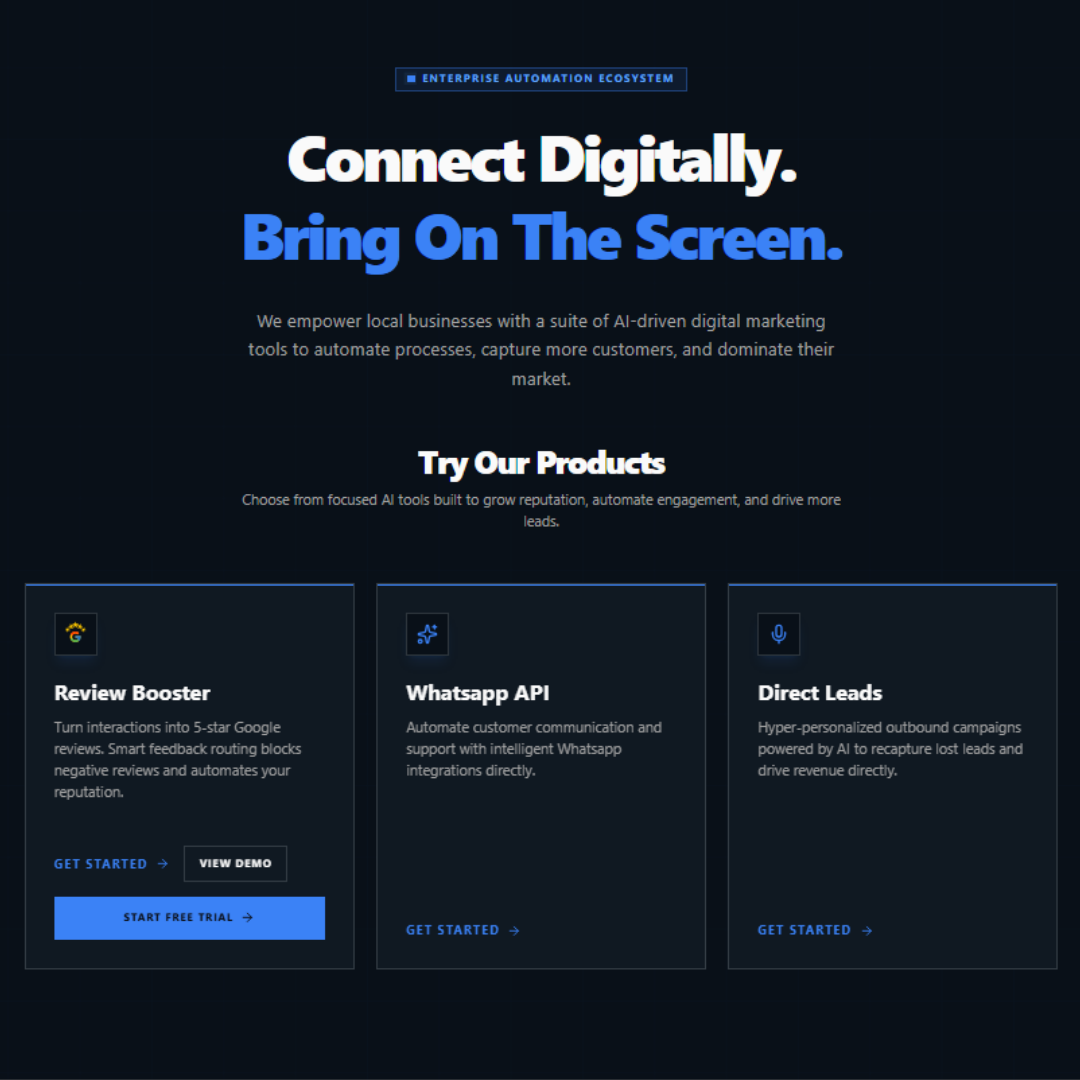
Picture 2: Clear dashboards turn scattered activity into decisions.
What success looks like
Customers get faster responses. Teams get fewer manual tasks. Leaders get better visibility. And the business becomes more resilient because its core operations are no longer dependent on constant human memory and manual follow-up.
In short, digitalization turns business operations into an engine that can learn, adapt, and grow.